

| Feature | Traditional Generics | Generic Combinations |
|---|---|---|
| Development Cost | $1-5 Million | $15-50 Million |
| Approval Timeline | Standard ANDA | 18-24 Months Longer |
| Price Retention | 80-90% erosion in 2 years | 40-60% retention over 5 years |
| Market Share Goal | High volume / Low margin | Specialized / High margin |
What Exactly Are Generic Combinations?
To understand where the market is going, we first need to define what we're talking about. A Generic Combination is a value-added pharmaceutical product that combines multiple active ingredients or integrates a drug with a delivery device to improve patient outcomes. Unlike a basic generic, which is just a bioequivalent version of a brand name drug, these products offer something extra-better convenience, fewer side effects, or easier dosing.
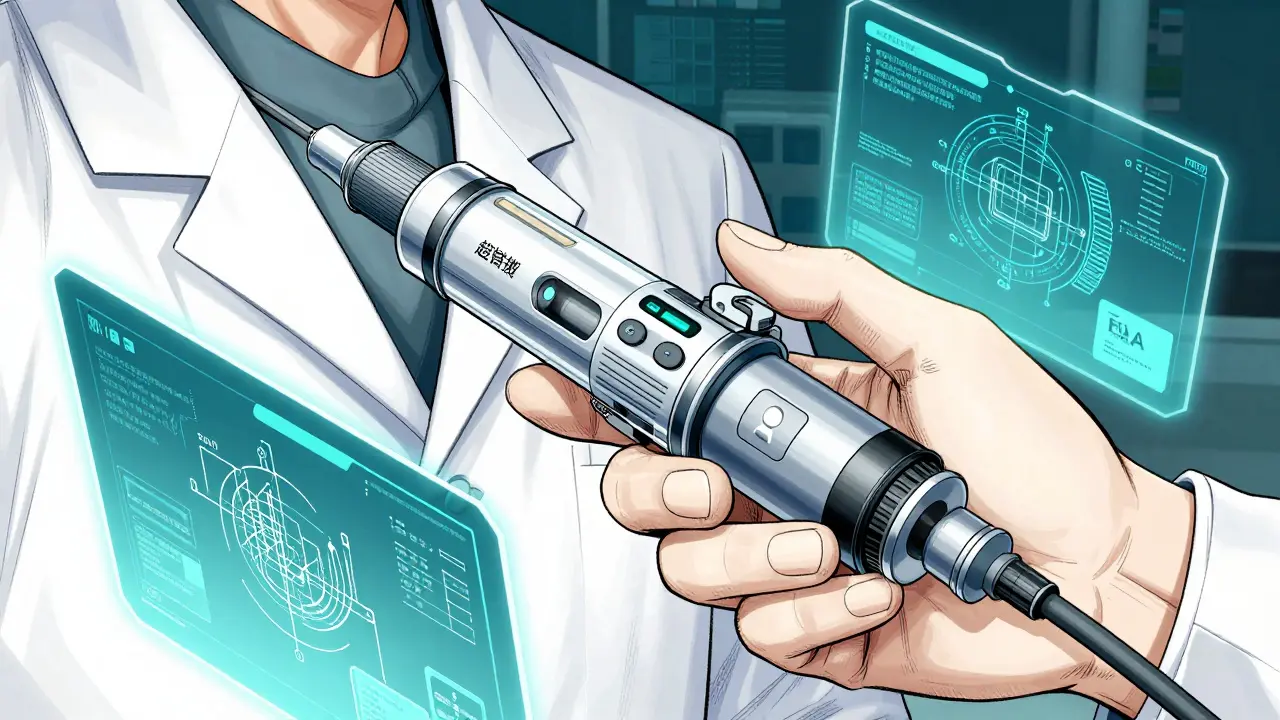
There are three main flavors of these products. First, you have Fixed-Dose Combinations (FDCs), which put two or more medicines in one pill. Second, there are Drug-Device Combinations, like advanced auto-injectors or inhalers. Finally, there are modified-release formulations, where the drug is engineered to release slowly over 24 hours rather than all at once.
Why do companies bother with the extra effort? Because the old "race to the bottom" on price is killing margins. Traditional generics often see their prices crash almost immediately after launch. Generic combinations, however, allow companies to carve out a niche. If you can prove your version is easier to use or more effective, you can keep your prices higher for longer.
The Regulatory Gauntlet: FDA vs. EMA
If you're a pharmaceutical company, the regulatory pathway is your biggest headache. For a standard generic, you use the ANDA (Abbreviated New Drug Application) pathway. You basically prove the drug is the same as the original, and you're good to go. But for combinations, the FDA wants more. They often require additional clinical data to prove that combining two drugs actually provides a therapeutic advantage over taking them separately.
It gets even trickier with devices. When a drug is paired with a device, the FDA's Office of Combination Products has to decide the "primary mode of action." Is it mostly a drug, or mostly a device? This decision determines which set of rules you follow. According to data from 2024, these complex products take about 18 to 24 months longer to get approved than simple generics. If you mess up the delivery system, you're in trouble-about 78% of failures in this category stem from the delivery mechanism, not the medicine itself.
Across the pond, the European Medicines Agency (EMA) is playing it much safer. While the US has approved dozens of complex combinations, the EU has been significantly more conservative. This creates a weird regional gap where a "super generic" might be available in New York but not in Berlin, forcing global companies to navigate two very different sets of expectations.
Market Trends: Following the Patent Cliff
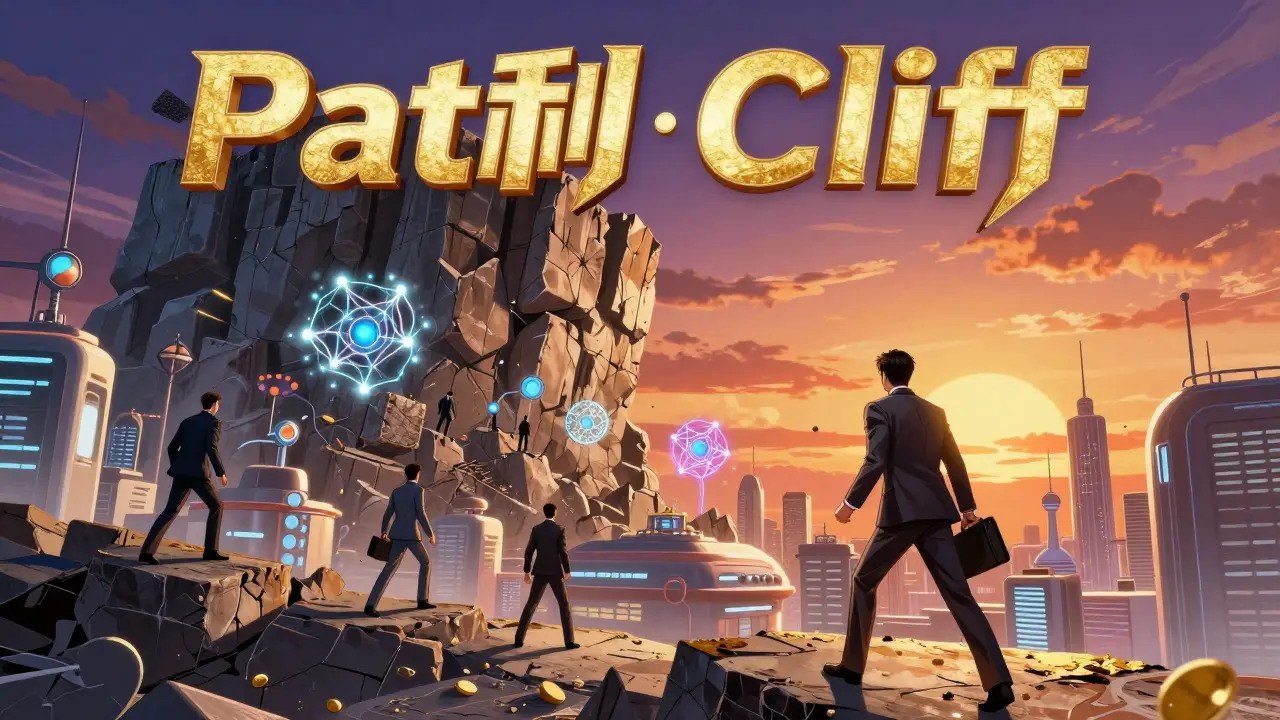
The real driver here is the "patent cliff." Between 2025 and 2030, a massive wave of branded drugs-generating over $200 billion in annual sales-will lose their exclusivity. This is a gold rush for companies that can handle complexity. We're seeing a shift toward high-value targets like respiratory combinations and CNS (central nervous system) drugs.
Take the GLP-1 market, which is currently exploding due to weight-loss drugs. Companies like Aspen Pharmacare are already looking into generic semaglutide combinations. Instead of just a generic version of the weight-loss drug, they want to combine it with other diabetes medications in one shot. That's how you move from a commodity product to a high-value therapy.
We're also seeing massive consolidation. When Sandoz split from Novartis, it wasn't just a corporate divorce; it was a strategic move to create a pure-play generics powerhouse focused on these complex products. Similarly, the 2025 merger between Viatris and Credence was specifically designed to beef up their complex generics pipeline. The message is clear: if you can't do complex combinations, you're going to get left behind.
The Economics of Complexity
Is the extra risk worth it? Let's look at the numbers. Developing a simple generic might cost you $1 million to $5 million. A complex combination? You're looking at $15 million to $50 million. That's a huge jump in risk. But the payoff is an entirely different league of profitability.
In high-volume areas like statins, margins are razor-thin-often less than 5%. But in specialized areas like CNS disorders, generic combinations can capture 20-35% margins. A great example is Budeprion XL. By creating an extended-release version of bupropion, Teva was able to generate $187 million in annual sales, while traditional generics of the same drug only managed about $42 million collectively. The "complexity premium" is real.
However, there's a catch. As more players enter the "super generic" space, we might see a new kind of price erosion. Some analysts warn that if too many companies jump into the same complex niche, the margins could drop by 30% over the next decade. The goal is to find a balance: a product complex enough to deter 15 competitors, but simple enough to manufacture at scale.
Future Outlook: What's Next?
Looking toward 2030, three things are likely to dominate the landscape. First, we'll see more strategic partnerships. Drug companies aren't always experts at making plastic injectors, so they're teaming up with device specialists like Catalent. Second, the FDA is trying to speed things up. A new pilot program launched in late 2025 prioritizes the review of generic combinations manufactured within the US, potentially shaving 3 to 6 months off the approval time.
Finally, we're seeing a move toward "super-complex" combinations. We're talking about nanoparticle-based delivery and multi-component systems. While these only make up about 10% of the market now, they are growing the fastest-nearly 13% annually. These are the products that will truly redefine the generics industry, moving it from a business of imitation to a business of innovation.
What is the main difference between a traditional generic and a generic combination?
Traditional generics are exact copies of a brand-name drug designed to be bioequivalent. Generic combinations, or "super generics," add value by combining multiple active ingredients into one dose or pairing a drug with a specialized delivery device to improve efficacy or patient compliance.
Why are generic combinations more expensive to develop?
They require significantly more R&D. Instead of just proving the drug is the same, companies must often provide new clinical data to prove the combination is beneficial. Additionally, developing the hardware for drug-device combinations (like auto-injectors) adds massive engineering and testing costs.
How does the FDA regulate these products?
They use the ANDA pathway but often require extra clinical evidence for FDCs. For drug-device products, the Office of Combination Products determines the primary mode of action to decide whether the drug or the device regulations take precedence.
Which therapeutic areas are seeing the most growth in combinations?
Oncology is currently the fastest grower (around 11.3% CAGR), followed closely by respiratory treatments and CNS (central nervous system) medications.
Is the EU market the same as the US market for these drugs?
No. The US market is much more aggressive and flexible, with far more approvals. The EMA (European Medicines Agency) is generally more conservative, leading to fewer approved complex combinations in Europe.
Next Steps for Industry Players
If you're in the pharma space, the path forward depends on your scale. Small firms should focus on niche therapeutic areas with high unmet needs where only a few competitors exist. Don't try to fight the giants in the cardiovascular space; instead, look at complex respiratory or rare CNS combinations.
For larger companies, the move is toward vertical integration. Stop outsourcing your device manufacturing and start building those capabilities in-house or forming deep strategic partnerships. Also, keep a close eye on the FDA's US-manufacturing pilot program-it's a rare opportunity to get to market months ahead of global competitors. The window for capturing the "complexity premium" is open, but it won't stay that way forever.