
When a medication starts damaging your lungs instead of helping your body, it’s not just a side effect—it’s a warning. Drug-induced pulmonary fibrosis, a scarring of lung tissue triggered by certain drugs. Also known as medication-related interstitial lung disease, it’s not common, but when it happens, it can be serious—and often missed until it’s advanced. Unlike idiopathic pulmonary fibrosis, which has no known cause, this type is directly tied to drugs you’ve taken, sometimes months or even years earlier.
Some of the most common culprits include chemotherapy drugs like bleomycin and amiodarone, a heart rhythm medication that can quietly scar lung tissue over time. Antibiotics like nitrofurantoin and sulfa drugs, as well as certain anti-inflammatory meds, have also been linked. Even some heart and autoimmune disease treatments can trigger it. The damage doesn’t always show up right away. It might sneak in slowly, with symptoms like a dry cough, shortness of breath during light activity, or unexplained fatigue. Many people think it’s just aging, a cold, or asthma—until a scan reveals the fibrosis.
What makes this tricky is that not everyone who takes these drugs gets it. Risk depends on dose, duration, age, and pre-existing lung conditions. Smokers, older adults, and people with prior lung issues are more vulnerable. But even healthy people aren’t immune. If you’ve been on any of these medications long-term and notice your breathing changing, it’s worth asking your doctor about lung imaging. Early detection can stop further scarring.
There’s no cure for the scarring once it’s done, but stopping the drug early can prevent it from getting worse. In some cases, corticosteroids or other immunosuppressants help slow the damage, though they come with their own risks—like the ones we’ve seen in posts about steroid-induced diabetes or drug-induced high blood pressure. Managing this condition means watching for more than just lung symptoms. It means understanding how one drug can ripple through your whole system.
Below, you’ll find real-world examples of how medications link to unexpected organ damage—from heart and liver to lungs. These aren’t theoretical risks. They’re documented cases, patterns, and warnings from people who’ve lived through them. If you’re on long-term medication, this isn’t just background noise. It’s the kind of info that could change your next doctor’s visit—and maybe your next breath.
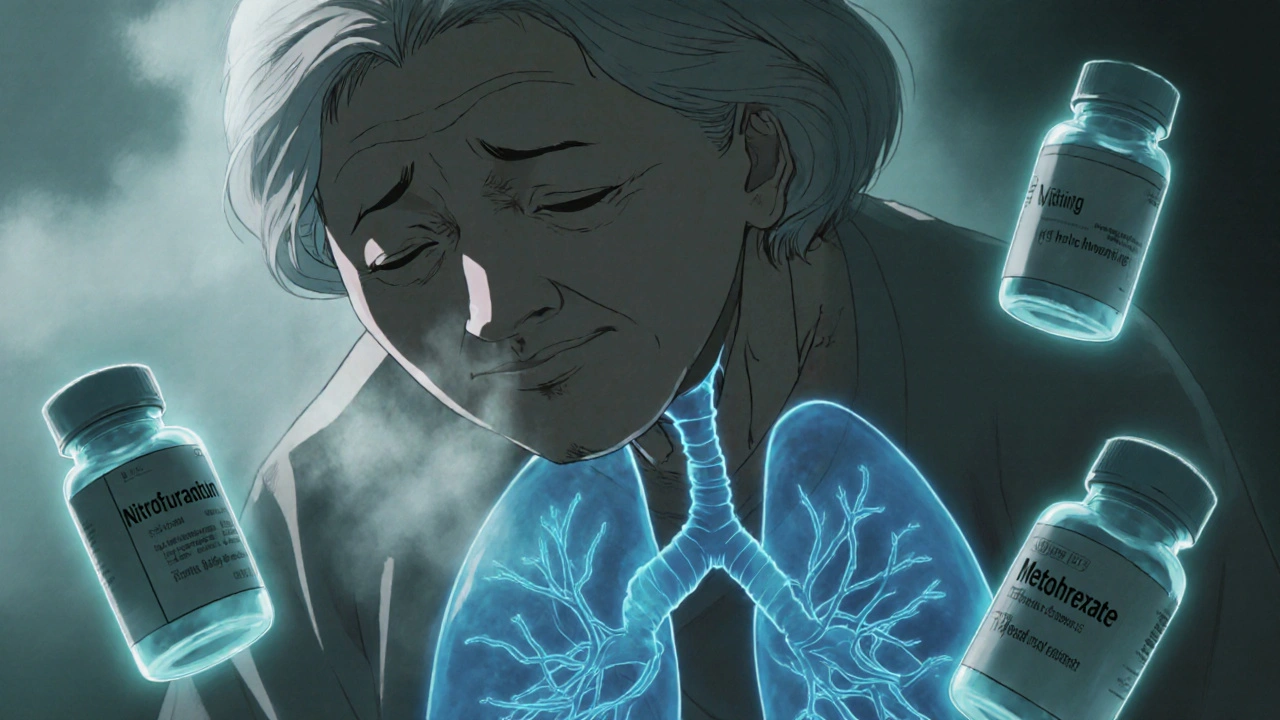
Certain medications can silently scar your lungs, leading to drug-induced pulmonary fibrosis. Learn which drugs carry the highest risk, how to spot early symptoms, and what to do if you're taking them.
Olivia AHOUANGAN | Nov, 12 2025 Read More