
When a pharmacist hands you the wrong pill, the wrong dose, or a drug that clashes with something you’re already taking, that’s a dispensing error, a mistake made during the final step of getting a prescription to a patient. Also known as prescription errors, these aren’t just paperwork glitches—they’re a leading cause of preventable harm in healthcare. Think about it: you trust your pharmacy to give you exactly what your doctor ordered. But between handwritten scripts, similar-looking drug names, busy pharmacies, and computer glitches, mistakes slip through more often than you’d think.
These errors often involve drug interactions, when two or more medications react in dangerous ways inside your body. For example, mixing a common painkiller like ibuprofen with blood thinners can cause internal bleeding. Or giving an elderly patient a medication on the Beers Criteria, a list of drugs that are risky for older adults—like certain antihistamines or muscle relaxants—can lead to falls, confusion, or even hospitalization. Even something as simple as confusing hydroxyzine with hydralazine can have life-changing consequences.
Dispensing errors don’t just happen because someone’s tired. They’re tied to bigger systems: overloaded pharmacies, poor labeling, lack of double-checks, and patients who don’t speak up. But here’s the good news: you’re not powerless. You can catch mistakes before they hurt you. Always check the label against your prescription. Ask, "Is this what my doctor ordered?" If the pill looks different from last time, don’t assume it’s just a generic swap—ask why. Bring a list of everything you take to every appointment, including supplements. That’s how you turn yourself into a safety net.
The posts below show real examples of how medication safety breaks down—and how to fix it. You’ll find guides on how pharmacists catch errors during annual reviews, how certain drugs like corticosteroids or MAOIs increase risk, and why combo generics can be a hidden trap. You’ll learn how to spot red flags in your own meds, what to ask your pharmacist, and how to protect yourself from mistakes that no one else is watching for. This isn’t about blaming pharmacies. It’s about giving you the tools to make sure your next prescription doesn’t become a warning sign.
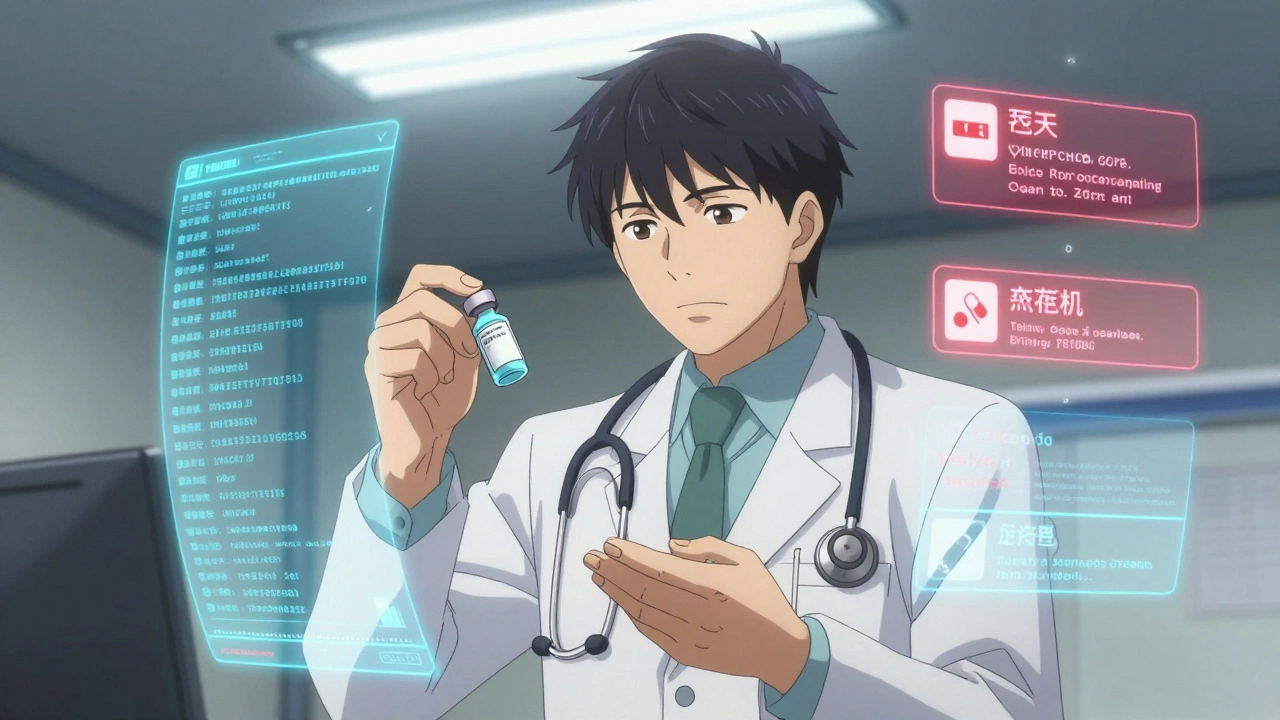
Pharmacists catch hundreds of thousands of prescription errors each year, preventing harm and saving lives. Learn how they do it, where the system fails, and why their role is more critical than ever.
Callum Laird | Dec, 3 2025 Read More