

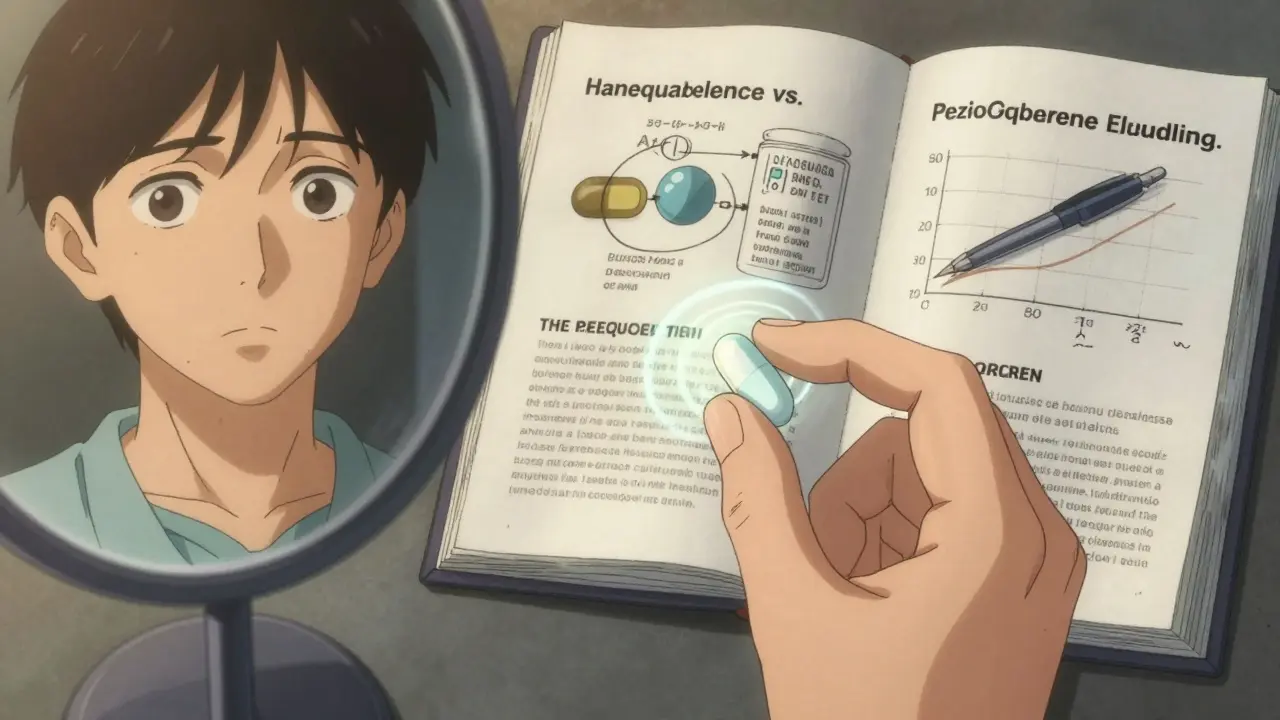
When you pick up a generic drug at the pharmacy, you expect it to work just like the brand-name version. But how does the FDA make sure it still does-months or even years after approval? Unlike new drugs, generics don’t go through long clinical trials. Instead, they prove they’re bioequivalent to the original. That means the same active ingredient, in the same amount, works the same way in your body. But bioequivalence doesn’t catch everything. That’s where post-market surveillance comes in.
What Happens After a Generic Drug Gets Approved?
The FDA approves generics based on data showing they match the brand-name drug in absorption, strength, and how they behave in the body. But real life isn’t a controlled trial. Thousands of people take the drug every day. Different manufacturers make it. Ingredients might vary slightly. Patients switch between brands. All of this creates blind spots that pre-market studies can’t see.
That’s why the FDA doesn’t stop monitoring once the drug hits shelves. The real safety check begins after approval. The agency tracks what happens when millions of people use the drug over time. It’s not about proving the drug works-it’s about catching what might go wrong.
The Three Main Tools the FDA Uses
The FDA doesn’t rely on one system. It uses three big tools working together to catch problems early.
- FDA Adverse Event Reporting System (FAERS): This is the oldest and most widely used system. Doctors, pharmacists, patients, and manufacturers can report side effects, allergic reactions, or unexpected outcomes. In 2023 alone, FAERS received over 2 million reports for all drugs-including generics. The FDA’s Office of Surveillance and Epidemiology reviews these reports looking for patterns. If 50 people report the same rare side effect after taking a specific generic, that’s a signal. Not proof-but enough to dig deeper.
- The Sentinel Initiative: This is the FDA’s modern upgrade. Instead of waiting for reports, Sentinel pulls real-time data from insurance claims, hospital records, and electronic health systems covering over 200 million Americans. It can spot trends like spikes in hospital visits or emergency room trips linked to a specific generic drug. For example, if a new generic version of a blood pressure pill suddenly shows a 20% increase in kidney-related ER visits across multiple states, Sentinel flags it within weeks-not months.
- MedWatch: This is the public-facing portal where anyone can report problems. It’s not just for doctors. If you switch to a generic and feel worse, you can report it. The FDA tracks these reports closely, especially for complex generics like inhalers or topical creams, where small formulation differences matter more.
Why Generics Need Extra Scrutiny
Not all generics are created equal. Simple ones-like a 10mg tablet of lisinopril-are straightforward. But complex generics? Those are trickier.
Think about inhalers. The active drug might be the same, but how it’s delivered-particle size, propellant, spray pattern-can change how well it works. Same with topical creams. A different emulsifier might change absorption. These differences don’t show up in bioequivalence tests, but they can in real life.
The FDA calls these “complex generics,” and they’re the focus of new surveillance efforts. In 2020, the agency partnered with universities to create the Center for Research on Complex Generics (a research hub funded by the FDA to study how complex generic drugs behave in real-world use). Their goal? Find better ways to test these drugs-not just in labs, but in living patients.
How the FDA Responds When Problems Show Up
When a pattern emerges, the FDA doesn’t wait. It acts.
- Label updates: If a new side effect is confirmed, the drug’s label gets updated. This tells doctors and patients what to watch for.
- Dear Healthcare Provider letters: These are direct alerts sent to prescribers. For example, if a generic version of a seizure drug shows inconsistent blood levels, doctors might be told to monitor patients more closely.
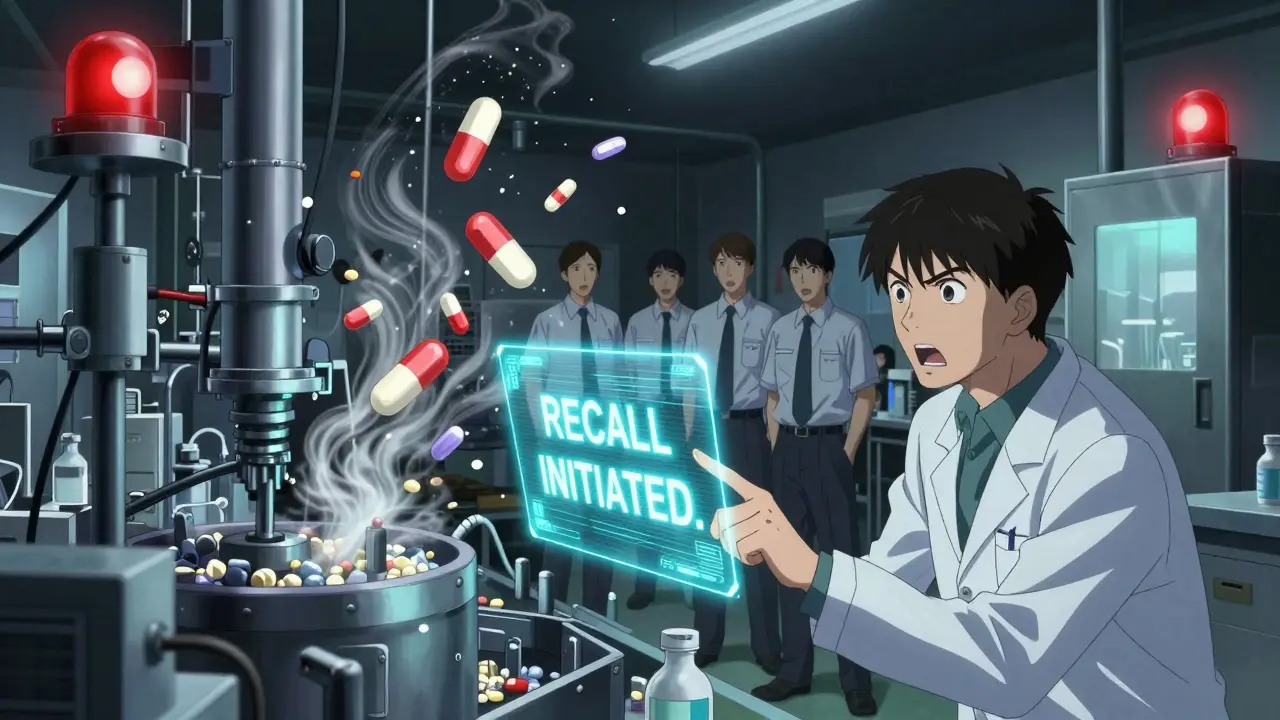
- Product recalls: If a batch is contaminated or doesn’t dissolve properly, the FDA can demand a recall. In 2022, a generic version of a heart medication was pulled after reports of inconsistent dosing.
- Manufacturing inspections: The FDA sends inspectors to factories-unannounced. They check if the drug is being made the same way it was approved. A change in equipment, temperature, or raw material supplier can trigger an inspection.
The Human Factor: Perception vs. Reality
Here’s one of the toughest parts: sometimes, the problem isn’t the drug-it’s the patient.
Studies show about 15% of adverse event reports for generics come from people who feel worse after switching from brand to generic. But when researchers tested these cases in controlled settings, they often found no difference in blood levels or outcomes. This is called the “nocebo effect”-when expecting side effects makes you feel them.
Still, the FDA takes these reports seriously. Why? Because if patients stop taking their meds because they think the generic doesn’t work, that’s a public health risk. So the agency looks at both the science and the stories.
The Future: AI and Real-World Data
The FDA is betting big on artificial intelligence. Right now, it takes months to spot a safety signal. AI can cut that down to weeks.
In 2023, the agency allocated $5.2 million to develop machine learning tools that analyze real-world data-like EHRs, pharmacy records, and patient-reported outcomes-to predict risks before they become widespread. These systems are being tested on complex generics first. One project is comparing outcomes between brand-name drugs and their generic versions using AI to find subtle differences in hospitalization rates, lab results, or medication adherence.
By 2027, experts predict AI could reduce detection time for safety signals by 60-70%. That’s not just faster-it’s lifesaving.
What You Can Do
You don’t have to wait for the FDA to find a problem. If you notice something unusual after switching to a generic-new side effects, lack of effectiveness, strange reactions-report it. Go to MedWatch and file a report. Your input helps.
Also, keep track of the manufacturer. If you’re on a generic and it suddenly stops working, check the pill’s imprint code. Different makers use different fillers or coatings. A change in manufacturer could be why.
Why This Matters
Generics make up over 90% of all prescriptions in the U.S. They save billions each year. But that scale means even a tiny failure rate can affect millions.
The FDA’s job isn’t to stop generics. It’s to make sure they’re safe, consistent, and reliable-not just on paper, but in your body. That’s why surveillance doesn’t end at approval. It’s ongoing, adaptive, and growing smarter every year.
Are generic drugs as safe as brand-name drugs?
Yes-when they’re approved. The FDA requires generics to meet the same standards for quality, purity, and strength as brand-name drugs. But safety is monitored after approval because real-world use can reveal issues not seen in pre-market studies. The FDA’s post-market systems catch problems like manufacturing inconsistencies or rare side effects that only show up after thousands of people take the drug.
How does the FDA know if a generic drug is causing side effects?
The FDA uses three main sources: the FAERS database for voluntary reports, the Sentinel Initiative for real-time health data from insurance and hospital records, and MedWatch for direct patient and provider reports. AI tools then analyze this data to find patterns. For example, if a specific generic version of a diabetes drug shows a spike in low-blood-sugar ER visits across multiple states, the system flags it for investigation.
Can switching between generic manufacturers cause problems?
It’s rare, but possible-especially with complex generics like inhalers, patches, or extended-release pills. Different manufacturers use slightly different inactive ingredients or production methods. While these changes are legally allowed, they can affect how the drug is absorbed. If you notice a change in how you feel after switching generics, talk to your doctor and report it to MedWatch.
What’s the difference between bioequivalence and therapeutic equivalence?
Bioequivalence means the generic drug delivers the same amount of active ingredient into your bloodstream at the same rate as the brand-name drug. Therapeutic equivalence means it works the same way in your body-not just in blood levels, but in clinical outcomes. For simple drugs, bioequivalence usually means therapeutic equivalence. But for complex drugs, like inhalers or topical creams, bioequivalence doesn’t guarantee the same effect. That’s why the FDA is developing new methods to measure therapeutic equivalence directly.
How often does the FDA inspect generic drug manufacturers?
The FDA inspects domestic manufacturing facilities every two years on average. For foreign facilities-which make over 80% of U.S. generic drugs-inspections happen less frequently, but risk-based targeting is used. High-risk products, new manufacturers, or those with past violations get prioritized. Inspections are unannounced and can include reviewing production logs, equipment, and quality control records.