
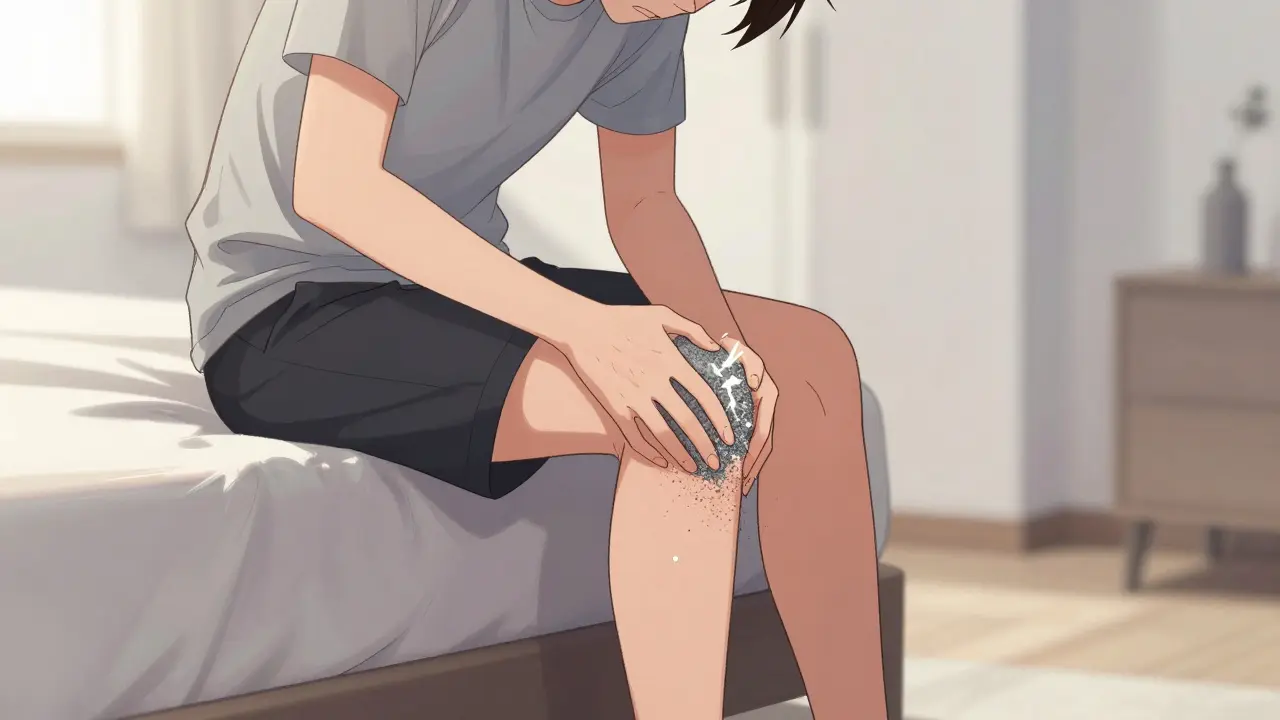
Waking up with a knee that feels like it's filled with gravel isn't just frustrating-it's a daily battle that millions of people fight. Knee Osteoarthritis is a degenerative joint disease where the protective cartilage wears down, leading to bone-on-bone friction and inflammation. It's the most common form of arthritis, affecting roughly 250 million people worldwide. While the idea of a total knee replacement often looms in the distance, you don't have to jump straight to surgery. The real goal is to keep you moving and reduce that grinding pain using a combination of tools that tackle the problem from different angles.
Quick Wins for Knee Relief
If you're looking for the fastest way to get back on your feet, here's the breakdown of what works and why:
- Immediate Activity Support: Braces provide the quickest "mechanical" relief while walking.
- Rapid Inflammation Control: Corticosteroid injections can shut down a flare-up in days.
- Long-Term Stability: Targeted exercise is the only way to actually improve joint function over months and years.
- The Gold Standard: A combination of all three-using braces for activity, exercise for strength, and injections for occasional peaks in pain.
Bracing: Shifting the Load
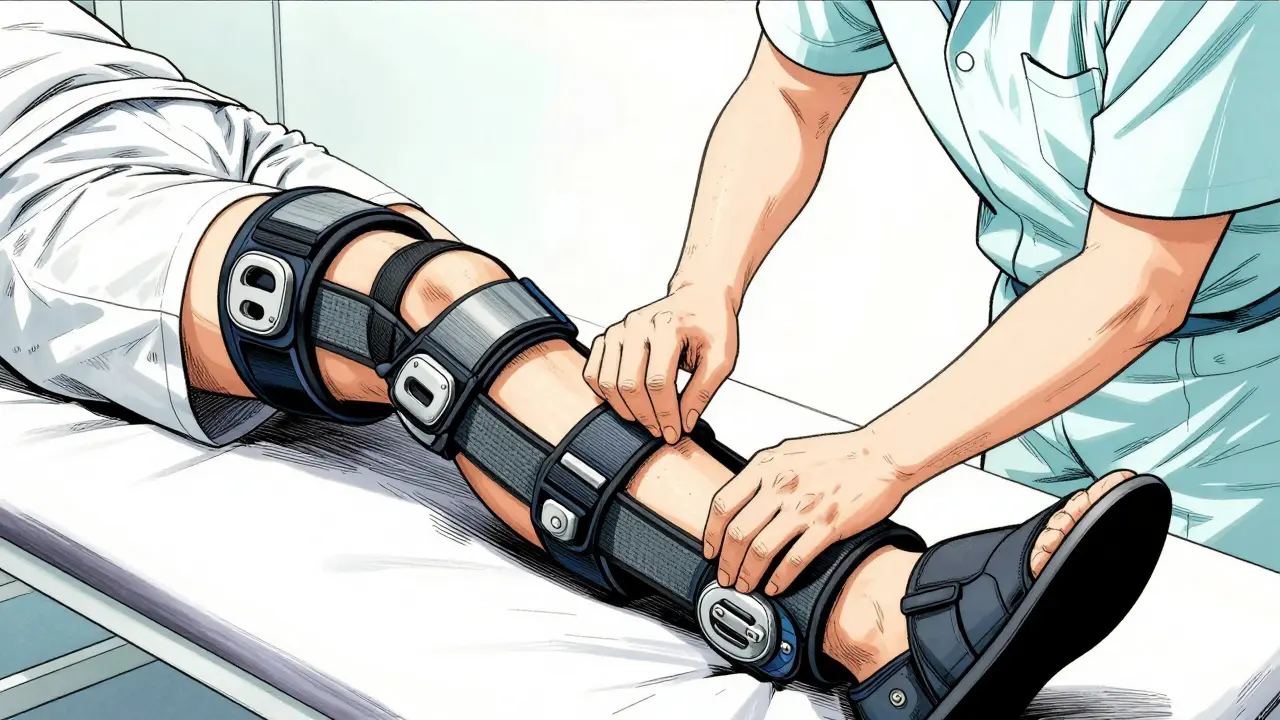
Think of a knee brace not just as a support sleeve, but as a tool to change how your weight hits the joint. For most people, the wear and tear happens on the inside of the knee (medial compartment). Unloader Braces are specialized orthopedic devices designed to push the knee joint slightly, shifting pressure away from the damaged area to the healthier side.
These aren't your average drugstore supports. A professional fitting by an orthotist is a must because a poorly fitted brace can actually cause more pain or skin irritation. When done right, these braces can reduce pain scores by up to 45%. You might feel some discomfort for the first two or three weeks as your skin and muscles adjust, but the payoff is often an immediate ability to walk further without that sharp, stabbing sensation.
| Intervention | Speed of Relief | Primary Benefit | Typical Cost | Main Risk/Downside |
|---|---|---|---|---|
| Unloader Braces | Immediate | Biomechanical offloading | $300 - $1,200 | Skin irritation, bulkiness |
| Corticosteroids | Days | Rapid inflammation reduction | $50 - $150 | Short duration, cartilage risk |
| Hyaluronic Acid | Weeks | Joint lubrication | $500 - $1,200 | Multiple visits required |
| Exercise Therapy | Months | Muscle support & function | Varies (PT cost) | High effort/time commitment |
Injections: Lubricating and Calming the Joint
When a brace isn't enough or you're dealing with an acute flare-up, injections can provide a necessary window of relief. However, not all shots are created equal. Corticosteroids are powerful anti-inflammatory medications injected directly into the joint capsule to provide fast, short-term relief.
While steroids work quickly, the relief usually only lasts 4 to 12 weeks. Using them too often-more than 3 or 4 times a year-can actually damage the remaining cartilage. For a longer-lasting effect, some turn to Hyaluronic Acid, which acts as a synthetic lubricant to mimic the natural fluid in a healthy joint
This "gel" approach often takes longer to kick in but can provide relief for several months. There are also newer options like Platelet-Rich Plasma (PRP), which uses your own blood cells to promote healing, though these are often more expensive and not always covered by insurance. The big danger here is relying solely on the shot; if you feel great after an injection, you might skip the exercises you need, leading to muscle atrophy and a harder crash once the medication wears off.
Exercise: The Long Game for Joint Health
It sounds counterintuitive to move a joint that hurts, but inactivity is the enemy of osteoarthritis. When you stop moving, your muscles weaken, which means the bone takes even more of the impact. Physical Therapy for knee OA focuses on strengthening the quadriceps and hamstrings to act as natural shock absorbers
Water-based exercises, or hydrotherapy, are often the best starting point. The buoyancy of the water reduces the load on the joint, which is why people often find it less painful than land-based walking. In fact, water exercises can show slightly better pain reduction in the first 12 weeks. But for the best results, you need a mix. Stretching can help regain those precious few degrees of range of motion, while strength training ensures the joint is stable.
The hardest part isn't the movement-it's the consistency. Many people start strong but drop off after a few months. To make it stick, aim for 2 to 3 sessions a week, roughly 45 to 60 minutes each. If you can, spend the first six weeks with a therapist to ensure your form is correct, otherwise, you might accidentally put more stress on the joint.

Combining Treatments for Maximum Effect
The most successful approach isn't picking one of these, but layering them. Imagine a "relief stack": you use a brace for your morning walk to keep the pain low, you follow a strict exercise routine to keep your muscles strong, and you save a corticosteroid injection for that one time a year when the inflammation becomes unbearable.
This multimodal strategy is significantly more cost-effective than jumping straight to surgery. Not only is it cheaper, but it avoids the risks associated with general anesthesia and the long recovery time of a total knee replacement. The key is to communicate with your doctor about the timing-don't just get a shot and sit on the couch; use the pain-free window the injection provides to push harder in your exercise program.
Do unloader braces actually work for everyone?
They work best for people with "compartmentalized" OA, where the damage is mainly on one side of the knee (usually the inside). If your arthritis is widespread across the entire joint, a standard supportive brace may be better than an unloader brace.
How many steroid injections are too many?
Generally, doctors recommend limiting corticosteroid injections to 3 or 4 times per year. Overusing them can lead to cartilage toxicity, which actually speeds up the breakdown of the joint.
Is swimming better than walking for knee arthritis?
For those in significant pain, swimming or water aerobics are better because they remove the impact of gravity. However, land-based exercise is still important for maintaining bone density and functional strength for daily activities like climbing stairs.
Will hyaluronic acid injections cure my arthritis?
No, injections cannot cure osteoarthritis because they cannot regrow lost cartilage. They manage the symptoms by lubricating the joint and reducing pain, which allows you to be more active.
How long does it take for exercise to show results?
Most people start feeling a difference in stability and a reduction in pain after 8 to 12 weeks of consistent effort. Maximum benefit typically occurs around the 16-week mark.
Next Steps and Troubleshooting
If you're just starting your pain management journey, don't try to do everything at once. Start with a consultation for a professional brace fitting and a few sessions of physical therapy. If you find that the pain is preventing you from even starting the exercises, that's the time to talk to your doctor about a short-term injection to "break the cycle" of pain.
If you're already trying these and still struggling, check your adherence. Are you wearing the brace for the full duration of your activity? Are you doing your exercises twice a week or just once every two weeks? Small adjustments in consistency often yield the biggest results. If you experience skin rashes from a brace, don't just stop using it-ask your orthotist about different liner materials or sleeve options.