

When you catch a virus-whether it’s the flu, COVID-19, or hepatitis C-your body fights back. But sometimes, it needs help. That’s where antiviral medications come in. Unlike antibiotics that kill bacteria, antivirals don’t destroy viruses outright. Instead, they step in to slow down or stop the virus from multiplying. This gives your immune system time to catch up and clear the infection. For many viral diseases, antivirals aren’t just helpful-they’re life-saving.
How Antiviral Medications Work
Viruses don’t have their own cells. They hijack yours to make copies of themselves. Antivirals block that process at different stages. Some stop the virus from entering your cells. Others interfere with how it copies its genetic material. Some even prevent new virus particles from assembling and spreading.
There are over 100 approved antiviral drugs today. They’re not one-size-fits-all. Each one targets specific viruses. For example, the drug oseltamivir (Tamiflu) works against influenza by blocking a protein the flu virus needs to escape infected cells. Meanwhile, sofosbuvir (in Harvoni and Epclusa) shuts down the replication machinery of hepatitis C. That’s why you can’t take a flu antiviral for COVID-19-and why you can’t use a COVID antiviral for the flu.
Key Antiviral Drugs for Major Viral Infections
Not all viral infections need treatment. Many, like the common cold, resolve on their own. But for serious or high-risk cases, antivirals make a measurable difference.
COVID-19: Paxlovid and Molnupiravir
For people at high risk of severe illness-those over 50, with diabetes, heart disease, or weakened immune systems-Paxlovid (nirmatrelvir/ritonavir) is the gold standard. When taken within five days of symptoms, it cuts hospitalization risk by 89%, according to Pfizer’s clinical trial data. It’s an oral pill, taken twice daily for five days.
But it’s not perfect. About 60% of users report a strong metallic taste-often called “Paxlovid mouth.” More importantly, it interacts with over 30 common medications, including statins, blood thinners, and some antidepressants. That means many older adults can’t take it safely.
If Paxlovid isn’t an option, molnupiravir (Lagevrio) is an alternative. It reduces hospitalization by about 30%, so it’s less effective. The FDA only recommends it when Paxlovid can’t be used.
Influenza: Oseltamivir, Baloxavir, and Others
For the flu, four antivirals are approved: oseltamivir (Tamiflu), zanamivir (Relenza), peramivir (Rapivab), and baloxavir (Xofluza). Oseltamivir is the most widely used. If taken within 48 hours of symptoms, it shortens illness by about one to two days.
But zanamivir comes with a warning: it can trigger breathing problems in people with asthma or COPD. Baloxavir is a single-dose pill that works differently-it blocks the virus’s ability to start copying its genes. It’s convenient, but not always covered by insurance.
Hepatitis C: The Cure That Changed Everything
Before 2011, hepatitis C treatment meant weekly injections of interferon for up to a year, with harsh side effects like fatigue, depression, and fever. Cure rates? Only 40-80%.
Then came direct-acting antivirals (DAAs). Drugs like Harvoni, Epclusa, and Mavyret are taken as one pill a day for 8-12 weeks. Cure rates? 95-99%. No injections. Fewer side effects. Most people feel fine during treatment.
These drugs don’t just treat-they eliminate. A sustained virologic response (SVR) means the virus is undetectable in the blood six months after treatment ends. That’s considered a cure. For the first time in history, hepatitis C can be eradicated with pills.
HIV: From Death Sentence to Manageable Condition
Thirty years ago, an HIV diagnosis meant a short life expectancy. Today, thanks to antivirals, people with HIV can live just as long as anyone else-if they start treatment early.
Modern HIV treatment uses combination therapy: usually two nucleoside reverse transcriptase inhibitors (like tenofovir and emtricitabine) plus an integrase inhibitor (like dolutegravir). These drugs block different steps of the virus’s life cycle, making it nearly impossible for HIV to develop resistance.
New options like Cabenuva (cabotegravir and rilpivirine) let people skip daily pills. It’s an injection given every month or two. For many, that’s a game-changer for sticking to treatment.
Why Timing Matters
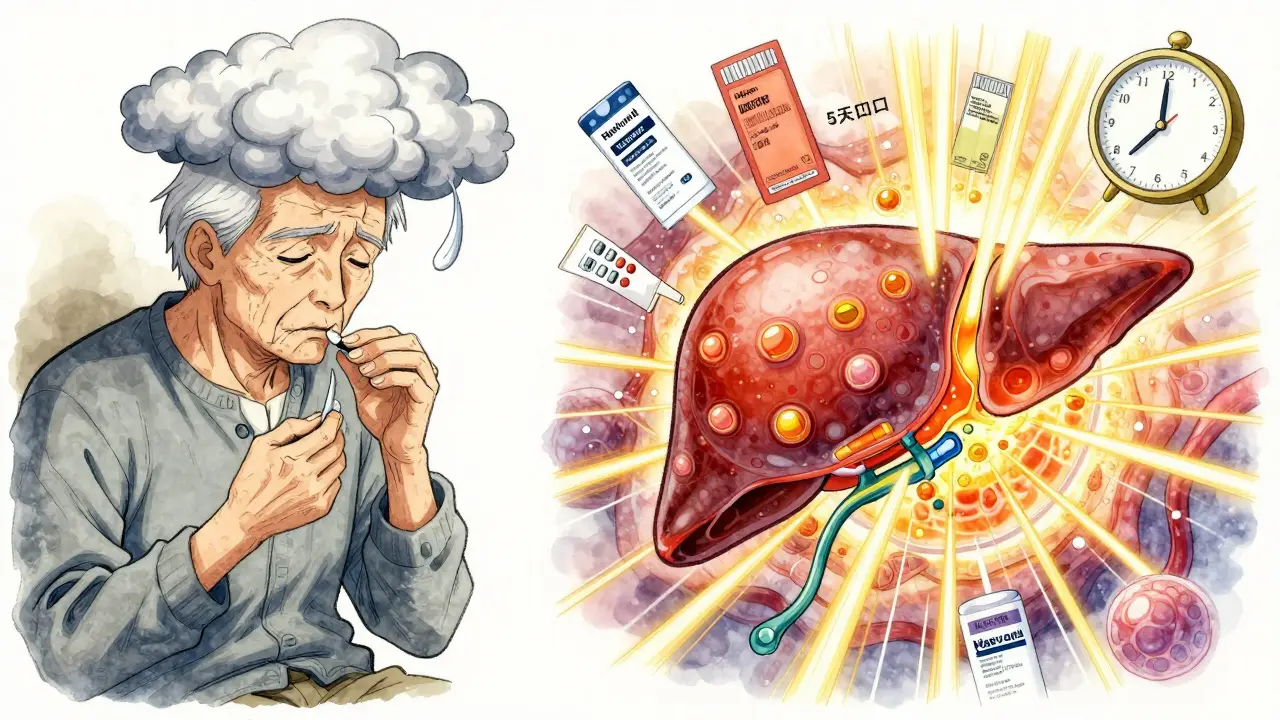
Antivirals aren’t magic bullets. They work best when started early. For flu, that’s within 48 hours. For COVID-19, it’s within five days. After that, the virus has already spread too far, and your immune system is already overworked.
This is why getting tested quickly matters. If you have symptoms and are at risk for severe illness, don’t wait. Call your doctor the same day. Many clinics now offer rapid testing and same-day prescriptions.
Limitations and Challenges
Despite their power, antivirals have limits.
- Narrow scope: Most only work against one or two viruses. There’s no universal antiviral for all infections.
- Resistance: Viruses mutate. Over time, they can become immune to certain drugs. That’s why combination therapy (using multiple drugs) is standard for HIV and hepatitis C.
- Access: In low-income countries, less than 5% of eligible patients get COVID-19 antivirals, according to the WHO. Even in the U.S., 34% of people who qualify for Paxlovid can’t get it due to pharmacy shortages or provider confusion.
- Drug interactions: Paxlovid’s ritonavir component interferes with liver enzymes that break down other drugs. This can cause dangerous buildup of medications like statins or sedatives. Doctors must check every patient’s full medication list before prescribing.
What’s Next for Antiviral Drugs
The future is promising-and fast-moving.
Researchers are working on broad-spectrum antivirals that could work against multiple viruses, including new ones we haven’t seen yet. One candidate, ensitrelvir, is already approved in Japan for flu and is under review in the U.S. and Europe.
Gene-editing tools like CRISPR are being tested to cut viral DNA out of infected cells. Excision BioTherapeutics is running early trials of EBT-101, a CRISPR-based therapy aimed at curing HIV.
Long-acting injectables and implants are also in development. Imagine getting a single shot every six months to prevent HIV-or a nasal spray that blocks flu infection before it starts.
But progress won’t mean much if access stays unequal. As Dr. Margaret Harris of the WHO said, “Life-saving antivirals shouldn’t be a privilege of wealth.” Global efforts to lower costs and expand distribution are critical.

Real Patient Experiences
People’s stories tell the real impact.
One 68-year-old man in Ohio took Paxlovid after testing positive for COVID-19. He had diabetes and heart disease. “I felt awful on day three,” he said. “But by day five, I was breathing easier. No hospital. No oxygen.”
A woman in Texas with hepatitis C avoided interferon because of its side effects. She took Mavyret for 12 weeks. “I worked full-time. I didn’t miss a day. My liver enzymes went back to normal. I feel like I got my life back.”
On Reddit, users in r/COVID19Positive report that about 22% experience viral rebound-symptoms return after finishing Paxlovid. It’s not a failure of the drug. It’s a sign the immune system needs more time. Doctors now advise monitoring for 10 days after treatment ends.
For many, the biggest barrier isn’t the medicine-it’s knowing it exists. A 2022 Kaiser Family Foundation survey found that 41% of eligible patients didn’t even ask their doctor about antivirals.
What You Should Do
If you’re at risk for severe viral illness:
- Know your risk factors: age, diabetes, heart disease, lung disease, weakened immune system.
- Get tested as soon as symptoms appear.
- Call your doctor immediately-don’t wait for a follow-up appointment.
- Ask: “Is there an antiviral I should take?”
- If you’re on other medications, bring your full list-prescriptions, supplements, OTC drugs.
Antivirals aren’t for everyone. But for the right person, at the right time, they can mean the difference between a bad week and a life-threatening crisis.
Can antiviral medications cure viral infections?
Yes-for some viruses. Hepatitis C can be cured with direct-acting antivirals (DAAs), with success rates above 95%. HIV can’t be cured yet, but antivirals can suppress the virus to undetectable levels, allowing people to live normal lifespans. For flu and COVID-19, antivirals don’t cure the infection but significantly reduce severity, hospitalization, and death if taken early.
Are antivirals the same as antibiotics?
No. Antibiotics kill bacteria. Antivirals stop viruses from multiplying. They work on completely different biological systems. Taking an antibiotic for a cold or flu won’t help-and can cause harm by promoting antibiotic resistance. Always confirm whether your infection is viral or bacterial before taking any medication.
Why is Paxlovid not prescribed to everyone with COVID-19?
Paxlovid is only recommended for people at high risk of severe disease-like those over 50, with chronic illnesses, or weakened immune systems. It’s also not safe for people taking certain medications because of dangerous interactions. For healthy, young people with mild symptoms, the risks of side effects or drug interactions outweigh the benefits. Plus, it must be started within five days of symptoms.
Can I take antivirals to prevent viral infections?
Yes, for some viruses. Baloxavir (Xofluza) is approved for post-exposure prevention of flu in people over 12. For HIV, PrEP (pre-exposure prophylaxis) with drugs like Truvada or Descovy can prevent infection in high-risk individuals. But for most viruses, including COVID-19 and hepatitis C, antivirals are used to treat active infection-not prevent it.
Do antivirals have serious side effects?
Most are mild. Paxlovid can cause a metallic taste, diarrhea, or nausea. Hepatitis C antivirals are usually well-tolerated. Flu antivirals may cause headaches or nausea. Serious side effects are rare but can include liver problems, allergic reactions, or psychiatric symptoms with certain drugs. Always report unusual symptoms to your doctor. The benefits of taking antivirals when needed far outweigh the risks for high-risk patients.
If you’re unsure whether antivirals are right for you, talk to your doctor. Don’t assume you’re not eligible. Many people miss out because they don’t ask.
12 Responses
I took Paxlovid last winter and yeah, the metallic taste was wild 🤢 like licking a battery but it worked. No hospital, no oxygen, just me and my weird mouth for 5 days. My grandma’s still alive thanks to this stuff.
Most people dont even know antivirals are time sensitive like antibiotics for strep you miss the window its useless and now we got this whole Paxlovid meme going like its a miracle drug when 60 of users get taste distortion and its contraindicated with half their meds
The global disparity in access to antiviral therapies remains deeply concerning. In many low-income regions, even basic diagnostics are unavailable, let alone life-saving medications such as sofosbuvir or Paxlovid. Equity in healthcare is not a privilege-it is a human right.
Paxlovid rebound isn't a flaw. It's viral kinetics. Your immune system hasn't fully caught up. Stop treating it like a drug failure.
It's inspiring to see how far we've come-from interferon injections with fever and depression to a single daily pill curing hepatitis C. Science moves slowly but when it does, it changes everything.
Paxlovid is a government mind control pill!!! 🤫💊 They don’t want you to know it makes you taste metal so you’ll stop asking questions!! 👁️👄👁️ #BigPharmaLies
I never knew antivirals could be this specific-like a key for one lock. It’s wild that we can target hepatitis C’s replication machinery without wrecking your liver. And Cabenuva? A monthly shot instead of pills? That’s next level. I’m actually hopeful now for once.
ok but what if the taste thing is just your soul screaming because you’re not supposed to be alive?? 😭 i took it and now my dog won’t stop licking my face like i’m a weird snack. also my cat hissed at me for 3 days. #paxlovidvibes
For anyone worried about Paxlovid interactions-bring your whole med list. I had a patient on statins and blood thinners, we switched her to molnupiravir and she was fine. It’s not perfect but it’s better than nothing.
If you’re over 50 or have diabetes and you didn’t ask your doc about antivirals after testing positive-you’re not being brave, you’re being reckless. I’ve seen too many people go from ‘just a cold’ to ICU because they waited. Don’t be that person. Ask. Now.
i took the flu antiviral once and my dreams were weird. like i was fighting a giant sneeze monster in a hospital made of tissues. 🤮🧻 not sure if it was the drug or my trauma but now i just rest and drink tea
My mom had hepatitis C and took Mavyret. She worked full time, didn’t miss a day, and now her liver is fine. She says the hardest part was remembering to take it at the same time every day. I made her a little alarm with a cat emoji. She still laughs about it.